Mostrando entradas con la etiqueta california. Mostrar todas las entradas

jueves, 20 de septiembre de 2018

California, primer estado en prohibir la entrega automática de pajitas plásticas en restaurantes


Las personas que quieren tomar sus bebidas con pajitas en los restaurantes de California tendrán que solicitarlas, según una nueva ley estatal. La legislación, firmada el jueves por el gobernador Jerry Brown, convierte a California en el primer estado en prohibir a los restaurantes que entreguen pajitas de plástico de un solo uso, informa ABC News.

Sin embargo, la ley, que entrará en vigor el próximo año, no establece prohibición absoluta de las pajitas de plástico directamente como en algunas ciudades.

domingo, 19 de agosto de 2018

California busca restringir la venta de refrescos azucarados a los niños en los restaurantes


La iniciativa no prohíbe a los establecimientos que vendan bebidas alternativas como jugos o refrescos, o al cliente comprar estas sí así lo desea.

Un proyecto de ley en California (EE.UU.) buscar combatir la obesidad infantil y frenar el consumo de bebidas azucaradas dentro de la población infantil, obligando a los restaurantes a ofrecer a los menores solo agua o leche para acompañar sus comidas.

De acuerdo con ABC, la iniciativa no prohíbe a los establecimientos que vendan bebidas alternativas como jugos o refrescos, o al cliente comprar estas sí así lo desea. De esta manera se serviría agua o leche a los niños a menos que un padre solicite explícitamente otra cosa.

La propuesta fue presentada por el senador Bill Monning y ha sido aprobado este jueves por la Asamblea regional. Si obtiene el visto bueno del Gobierno, ese estado sería el primero del país con tal legislación, aunque ya se han introducido restricciones similares en algunas ciudades de California y en otras partes de EE.UU., recoge CBS News.

La Sociedad Americana Contra el Cáncer respalda la idea argumentando que los menores que beben "hasta tres refrescos al día" podría ser más propensos al cánceres en el futuro, ya que "el 20% de estas dolencias están relacionadas con el sobrepeso". Sin embargo, algunos padres están molestos porque consideran que el Estado no está en posición de dictar lo que sus hijos pueden beber.

miércoles, 9 de noviembre de 2016

San Francisco passes soda tax, other cities on track to approve


San Francisco passes soda tax, other cities on track to approve

City buses travel down a city street in San Francisco, California


Voters in San Francisco, California passed a tax on sugar-sweetened beverages on Tuesday, unofficial results showed, as the push by local governments to target soda to stem obesity and diabetes gathered speed.

San Francisco Bay Area neighbor Albany, California passed a similar measure, preliminary figures showed and measures in Oakland, California and Boulder, Colorado, were on track to pass as well, with votes still being counted early on Wednesday.

The levies on sugar-sweetened beverages arrive a month after the World Health Organization recommended that governments introduce these types of taxes in a bid to battle obesity, diabetes and other diet-related diseases.

ADVERTISEMENT

Opponents of such taxes say they hit lower income populations hardest, and that it is unfair to single out soda in the battle to fight obesity and diabetes.

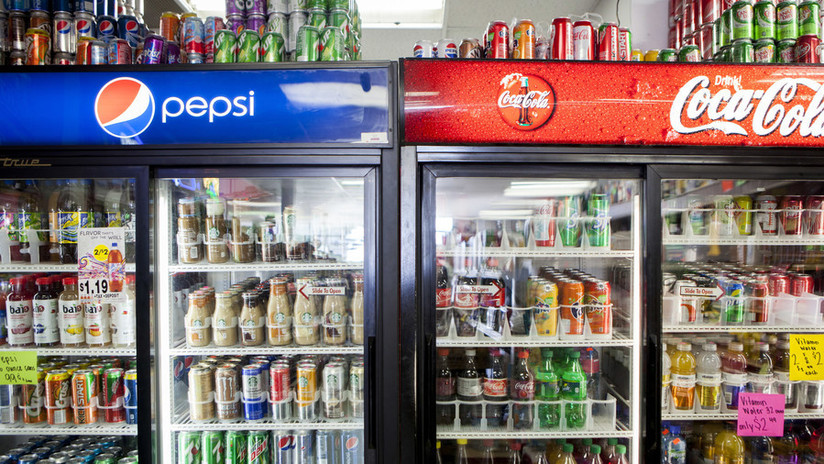
Coca-Cola Co, PepsiCo Inc and other companies in the roughly $100 billion U.S. soft drink industry are fighting the taxes at a time when soda consumption is falling.

The San Francisco measure passed 62 percent to 38 percent and the Albany measure passed 71 percent to 29 percent. With 85 percent of precincts reporting, the Oakland measure had 62 percent support to 38 percent opposed, and in Boulder the soda tax was passing 54 percent to 46 percent, with the percent of votes counted unclear.

sábado, 5 de noviembre de 2016

Philadelphia and Berkeley, California, are the only U.S. cities that have a so-called "soda tax" on the books.

Philadelphia and Berkeley, California, are the only U.S. cities that have a so-called "soda tax" on the books.

But on Election Day, four more cities will decide whether they want one.

Residents of Boulder, Colorado, and Californians who live in San Francisco, Oakland and Albany will vote on ballot measures calling for a new tax on sugar-sweetened beverages. The Boulder measure calls for a two-cents-per-ounce tax, while the three California cities are calling for a tax of one cent per ounce.

The proposed soda taxes would target not only sodas but sweetened teas, fountain drinks, energy drinks and beverages with sugar added. Some sweet drinks, though, would be exempt. For instance, the tax would not apply to 100% juice products, infant formula, milk products, diet soda and in most cases, alcohol.

Soda tax proponents cite the need to reduce the incidence - especially in children - of diabetes, obesity and other harmful health effects of sugar.

The proposed ordinance in Albany, California, for instance, notes that "a single 20-ounce bottle of soda ... typically contains the equivalent of approximately 16 teaspoons of sugar." Proponents of the measure in Boulder say it contains "22 packets of sugar." In either case, it's a lot.

In addition to reducing sugar-related health problems, a soda tax is also promoted as a way to help bring down the public cost of treating those health problems.

The new soda tax revenue is typically directed into a city's general fund, but at least in Boulder there's a call for it to be used specifically for health initiatives.

Opponents of the soda tax make several arguments. Among them, specialized taxes raise the accounting and administrative burdens on business owners. And even though the soda tax is technically levied on beverage distributors, it is likely to be passed on to consumers by way of higher prices. Plus, low-income consumers, who buy the taxed product more than other groups, are least able to afford higher prices.

The jury is still out on the efficacy of taxing one type of beverage or food to reduce the incidence of diabetes or obesity.

Studies in Mexico, which imposed a soda tax nationwide in 2014, found consumption is down, as has early research in Berkeley, where the soda tax went into effect last year, said Donald Marron, director of economic policy initiatives at the Urban Institute. That alone isn't surprising. "Prices go up, people buy less," Marron said.

The potential health effects of the tax, however, aren't clear yet, he noted. What if consumers choose to substitute sugary beverages that are taxed for high-sugar beverages that are untaxed, such as 100% juice?

There's still debate among health experts as to whether naturally occurring and additive sugars are equally harmful or if additive sugars are worse in causing diabetes and obesity, Marron said.